
Yongda Yongda

What are the Best Standards for Ball Valves in China?

Time:2026-08-30 Author:Aria
0%

When discussing industrial valves, the Ball Valve Standard holds significant importance in China. This standard guides manufacturers in creating reliable and efficient products suitable for various applications. With the growing demand for high-quality valves, understanding these standards is essential for both producers and consumers.

In China, several organizations develop and maintain these standards. This ensures that ball valves meet safety, performance, and sustainability requirements. The complexity of different applications makes it challenging to adhere to a single standard. Each sector may have specific criteria that must be addressed. Therefore, recognizing these varying standards is crucial for effective implementation.

Compliance with the Ball Valve Standard can improve safety and efficiency in operations. However, the constantly evolving market may lead to ambiguities. Manufacturers must remain vigilant and adaptable. The quest for the best practices in ball valve production is ongoing. Awareness of the standards not only enhances product quality but also fosters trust among users.
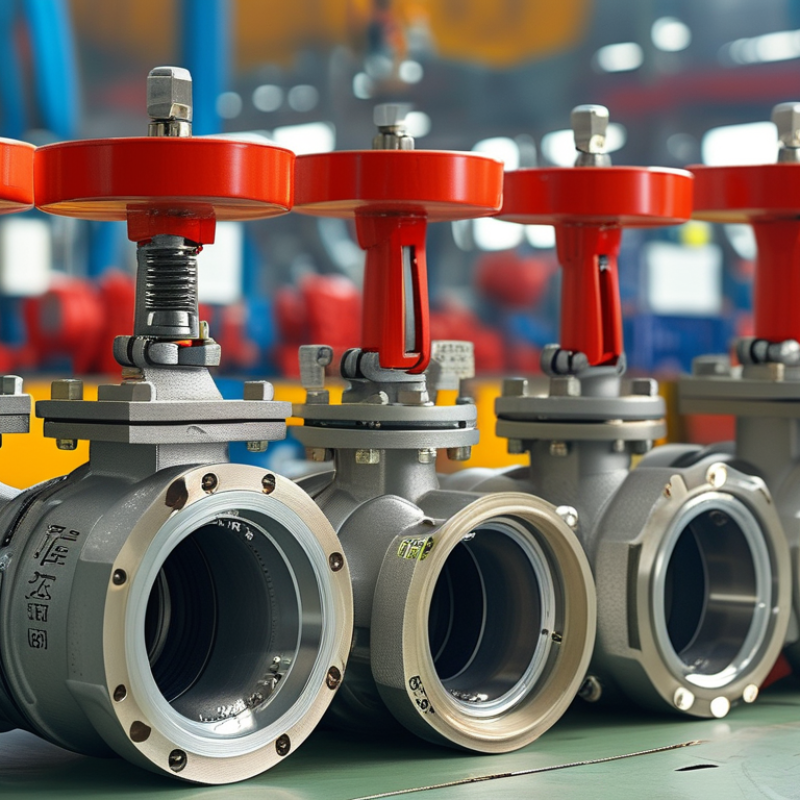
What are the Best Standards for Ball Valves in China?

Overview of Ball Valve Standards in China

Ball valves play a crucial role in various industries, and understanding their standards in China is essential. The key standards involve national and international guidelines. The Chinese National Standards (GB standards) are significant benchmarks. They ensure safety, performance, and reliability across applications, such as water and gas control.

Choosing the right standard can be challenging. Each application has unique requirements. For instance, pressure ratings, temperature limits, and material specifications can vary. It's important to consider these factors when selecting a ball valve. Ignoring them can lead to failures, resulting in costly downtime or safety hazards.

Tip: Always verify the specific standard applicable to your project. Researching local regulations can help ensure compliance.

Another critical aspect involves the testing standards for quality assurance. Ball valves undergo rigorous testing to ensure they meet performance criteria. Standards such as ISO 17292 outline the testing methods for functional integrity. These procedures assess leakage, operational pressure, and durability. Not adhering to these tests could result in subpar valve performance.

Tip: Keep a checklist for testing requirements. This helps maintain focus and ensures no detail is overlooked.

Key Organizations Involved in Ball Valve Standardization

In China, several key organizations play critical roles in standardizing ball valves. The National Standardization Administration (NSA) is the primary authority. It develops national standards that ensure quality and safety in valve manufacturing. Their guidelines focus on performance, testing methods, and material specifications.

The China Valve Association (CVA) is another vital player in this sector. It serves as a bridge between manufacturers and regulators. The CVA promotes compliance with the latest standards. Their reports highlight that standardized products can reduce production costs by around 15%. This statistic emphasizes the economic benefits of adhering to established protocols.

The International Organization for Standardization (ISO) also influences Chinese standards. Their international benchmarks often guide local adaptations. However, reliance on international standards can pose challenges. Some local manufacturers may struggle to meet these criteria due to varying raw material quality. Continuous improvement is necessary for these organizations to address such discrepancies.

Standards for Ball Valves in China

This chart represents the distribution of various ball valve standards in China as determined by key organizations in the industry.

Comparison of National and International Ball Valve Standards

When examining ball valve standards in China, it's essential to compare national and international guidelines. The Chinese national standard, GB/T 12228, outlines specific requirements for materials, dimensions, and testing methods. It emphasizes quality control and safety, focusing on domestic industrial needs. However, while it offers detailed specifications, it may not fully align with global practices. There are gaps that often require manufacturers to adapt or modify their processes for international markets.

In contrast, international standards like ISO 17292 provide a broader framework for ball valve design and testing. These guidelines cover diverse industrial applications, aiming for scalability and uniformity. However, adhering to these international standards can be challenging for local manufacturers. They may lack the resources or technical expertise to fully meet such comprehensive criteria. Moreover, balancing costs with compliance can be a daunting task. As such, many companies find themselves at a crossroads, striving for excellence while navigating these standards.

Critical Factors in Selecting Ball Valve Standards for Applications

When selecting ball valve standards for applications in China, several critical factors come into play. The material quality is paramount. Different applications may require various materials to withstand pressure, temperature, and chemical exposure. Stainless steel, for instance, offers excellent corrosion resistance, while carbon steel is cost-effective for less severe conditions.

Understanding the pressure rating is also vital. A ball valve must be able to handle the system's pressure without failure. Valve size and flow capacity are crucial for efficiency. Oversized valves may lead to turbulence, while undersized valves can cause restrictions. Communication between engineers and suppliers ensures that the right specifications are met.

Moreover, industry certifications must not be overlooked. They assure users of the valve's reliability and safety. However, one might encounter varying standards across regions. This discrepancy can complicate choices. Evaluating these aspects informs better decision-making but requires ongoing assessment and learning. Each application has unique demands, and no single standard fits all situations seamlessly.

Future Trends in Ball Valve Standards Development in China

The development of ball valve standards in China is evolving rapidly. As industries expand, the need for reliable and efficient valve systems increases. Standards must adapt to emerging technologies and environmental considerations. Enhanced durability and lower maintenance needs are critical focuses for future standards.

In the push for innovation, collaboration between manufacturers and regulatory bodies becomes essential. This fosters a responsive framework that reflects current technological advancements. However, the balance between regulation and innovation can be challenging. It requires ongoing dialogue and adjustments to ensure both compliance and progress.

Tips: Consider investing in training programs for engineers. This will ensure they stay updated on the latest standards. Regular audits of compliance practices can also foster accountability. Engaging with industry experts can bring fresh insights into best practices and standards. Overall, monitoring industry trends will help businesses remain competitive in the evolving market landscape.

FAQS

: What are the key standards for ball valves in China?

: The key standards include national and international guidelines. Chinese National Standards (GB standards) are highly significant.

Why is it important to choose the right standard for ball valves?

Each application has unique needs. Ignoring these can lead to failures or safety hazards, causing costly downtime.

What should be considered when selecting a ball valve?

Pressure ratings, temperature limits, and material specifications must be carefully evaluated for the specific application.

How are ball valves tested for quality assurance?

Ball valves undergo rigorous testing to meet performance criteria. Testing includes leakage, operational pressure, and durability assessments.

What future trends are emerging in ball valve standards?

Standards are evolving, focusing on enhanced durability and lower maintenance needs, in response to emerging technologies.

Why is collaboration between manufacturers and regulatory bodies important?

Collaboration ensures a responsive framework that reflects technological advancements while balancing regulation and innovation challenges.

How can companies stay updated on the latest standards?

Investing in training programs for engineers helps keep them informed about updates and best practices in standards.

What role do regular audits play in compliance?

Regular audits foster accountability and ensure that practices meet the required standards. This helps in maintaining quality.

What can help businesses remain competitive in the evolving market?

Monitoring industry trends and engaging with experts can provide insights into best practices and evolving standards.

What common issue may arise from neglecting testing standards?

Not adhering to testing could lead to subpar valve performance, impacting safety and operational efficiency.

Conclusion

The article titled "What are the Best Standards for Ball Valves in China?" provides a comprehensive overview of the various ball valve standards established in the country. It outlines the key organizations involved in the standardization process, highlighting their roles in developing and maintaining these standards. A comparative analysis illustrates the differences and similarities between national and international ball valve standards, emphasizing the importance of aligning with global best practices.

Moreover, the article discusses critical factors to consider when selecting ball valve standards for specific applications, ensuring safety, reliability, and performance. Looking ahead, it explores emerging trends in the development of ball valve standards in China, hinting at a future where innovation and compliance will drive industry advancements. Overall, understanding the ball valve standard framework is vital for manufacturers and users to ensure optimal functionality in various industrial applications.

Aria

Aria

Aria is a dedicated marketing professional with a deep passion for innovative strategies and a keen understanding of our company's product offerings. With a wealth of experience in the industry, Aria excels at crafting engaging content that highlights the unique features and benefits of our......