
Yongda
Ball Valve Fittings play a crucial role in fluid and gas control applications across industries. Their design and functionality significantly impact efficiency, safety, and performance. Understanding the top options available can help buyers make informed decisions.
Navigating the diverse offerings of Ball Valve Fittings requires careful consideration. Factors like material compatibility, pressure ratings, and application suitability come into play. Reliable sources and expert insights are essential to grasp these intricacies fully.
While many suppliers claim to provide top-notch fittings, not all meet industry standards. Buyers must remain vigilant and skeptical when evaluating options. It's easy to overlook subtle details that can lead to costly mistakes. Ensuring quality and reliability in Ball Valve Fittings is paramount for successful operations.
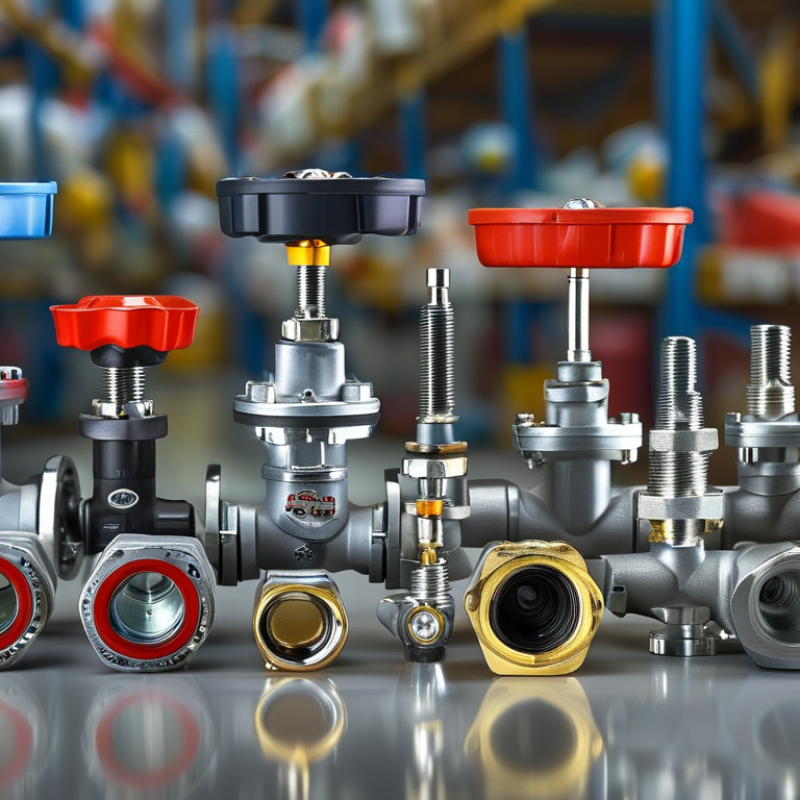
Ball valves are essential components in various industries. They control the flow of liquids and gases effectively. Understanding the different fittings available enhances their efficiency. Various types accommodate distinct applications, from high-pressure systems to low-flow environments.
Common materials used for ball valve fittings include stainless steel, brass, and PVC. Each material has unique strengths. Stainless steel is known for its durability and resistance to corrosion. Brass is cost-effective but may not withstand harsh chemicals. PVC, while lightweight, is less resilient under high temperatures. Evaluating these factors is crucial for optimal performance.
Installation and maintenance are vital aspects to consider. Proper alignment ensures a tight seal, preventing leaks. Regular inspections can identify wear and tear, prompting timely replacements. However, even experienced professionals may overlook minor issues, leading to larger problems. Recognizing these details can significantly improve system reliability.
Ball valve fittings come in various types, each with specific applications across industries. These fittings are essential for controlling the flow of fluids in pipelines. According to a report by the Global Market Insights, the ball valve market is projected to reach $15 billion by 2028, underscoring their growing importance.
One common type is the flanged ball valve. These fittings facilitate easy installation and provide robust sealing properties. They are particularly favored in water treatment and chemical processing. The rising demand for safe fluid transfer drives their popularity. Another type is the threaded ball valve, ideal for applications requiring compact spaces. They are often used in residential plumbing and smaller industrial setups.
Despite their benefits, selecting the right fitting can be challenging. Factors such as material compatibility and pressure ratings must be considered. Failure to account for these details can lead to leaks or system failures. The demand for durable materials, like stainless steel, is increasing, reflecting a shift towards sustainability in valve manufacturing. Users should weigh these elements carefully to improve operational reliability.
When selecting ball valve fittings, materials play a crucial role in performance and longevity. Common materials include stainless steel, brass, and PVC. Stainless steel is renowned for its resistance to corrosion and durability, making it ideal for harsh environments. In fact, a report by the International Association of Plumbing and Mechanical Officials (IAPMO) indicates that 70% of industrial applications prefer stainless steel valves due to their longevity.
Brass fittings, while less expensive, offer excellent performance for low to medium pressure applications. They usually contain copper, which improves corrosion resistance but can lead to dezincification in certain conditions. A study from the Valve Manufacturers Association reveals that 60% of buyers consider brass for residential plumbing due to its affordability and effectiveness.
PVC, on the other hand, is lightweight and highly resistant to chemicals, making it suitable for various commercial applications. However, PVC's use is limited in high-temperature scenarios. It’s essential for buyers to weigh the pros and cons of each material. Choosing the right fitting material ultimately depends on the specific demands of the application, reflecting a balance between cost and required performance.
Ball valve fittings are vital components in various industries. They must adhere to global standards and regulations to ensure safety and reliability. Organizations such as the American Society of Mechanical Engineers (ASME) and the International Organization for Standardization (ISO) provide guidelines for ball valve performance. Compliance with these standards minimizes risks and enhances product quality.
Industry data reveals that approximately 30% of valve failures are attributed to non-compliance with regulations. Manufacturers must prioritize quality checks and material certifications in their processes. For example, using certified stainless steel reduces corrosion risks. Understanding these materials is crucial for long-term durability and operational efficiency.
Tip: Always request material certifications when sourcing fittings.
In some regions, adherence to environmental regulations becomes critical. For instance, the European Union has strict guidelines on hazardous substances. Failure to comply can result in hefty fines or product recalls. It's essential for global buyers to stay informed about local regulations and adapt their sourcing strategies accordingly.
Tip: Regular training on compliance and regulation updates can prevent costly oversights.
When selecting ball valve fittings, buyers often overlook crucial factors that can impact overall performance. One primary consideration is the material of the valve. According to a report by the Global Valve Market Research Group, stainless steel valves account for over 40% of the market due to their durability and corrosion resistance. However, other materials like PVC and brass may be more suitable in specific applications, especially where chemical exposure is a concern.
Another important factor is the valve size. Accurate sizing is essential for efficiency. An oversized valve can lead to turbulence, creating inefficiencies. Conversely, an undersized valve may not handle the required flow rate. Research indicates that 30% of valve issues stem from improper sizing, highlighting the importance of thorough analysis before procurement. Additionally, the seal type also plays a significant role in functionality, influencing leak prevention and operational reliability.
Lastly, understanding the working pressure and temperature is vital. Many buyers fail to match their valve selection to the application requirements. Data shows that nearly 25% of premature valve failures relate to incorrect pressure ratings. Understanding these nuances can lead to better decision-making and improved system performance.
| Fitting Type | Material | Pressure Rating (PN) | Temperature Range (°C) | Connection Type |
|---|---|---|---|---|
| Full Port Ball Valve | Stainless Steel | 16 | -20 to 120 | Welded |
| Floating Ball Valve | Brass | 10 | -10 to 80 | Threaded |
| Trunnion Ball Valve | Carbon Steel | 25 | -40 to 180 | Flanged |
| PVC Ball Valve | PVC | 6 | 0 to 50 | Socket |
| Electric Ball Valve | Stainless Steel | 20 | -20 to 100 | Flanged |
: Ball valves control the flow of liquids and gases in various industries.
Common materials include stainless steel, brass, and PVC. Each has unique strengths.
Stainless steel offers durability and corrosion resistance, ideal for harsh environments.
Brass is cost-effective but may not resist harsh chemicals and can suffer dezincification.
PVC should not be used in high-temperature applications as it's less resilient in those conditions.
Proper installation ensures a tight seal. Misalignment can cause leaks and system failures.
Regular inspections are vital to identify wear and avoid bigger problems in the future.
Yes, even professionals can miss minor details that may lead to larger failures later on.
The right material affects both cost and performance, so careful evaluation is needed.
Buyers need to weigh material strengths against application demands and budget constraints.
The article "Top Ball Valve Fittings for Global Buyers Explained" provides a comprehensive overview of ball valve fittings, essential components in various industrial applications. It begins with an introduction to the fundamental aspects of ball valve fittings, defining their role in fluid control systems. The article categorizes the different types of ball valve fittings and discusses their specific applications across various industries, highlighting their versatility and critical importance.
Furthermore, the article delves into the key materials commonly used in the manufacturing of ball valve fittings, ensuring durability and performance. It outlines global standards and regulations that govern these fittings, ensuring safety and efficiency in their use. Finally, it examines the crucial factors that buyers should consider when selecting ball valve fittings, such as compatibility, pressure ratings, and environmental conditions, guiding global buyers in making informed decisions.
